Everyone’s a genius in a bull market, but euphoria is a dangerous trap. While it feels like the gains will last forever, a crash is always lurking around the corner. If you don’t have a solid Bear Market Strategy in place today, you’re just waiting to get wrecked tomorrow.
Yo, if you’ve been staring at charts lately thinking this is the bottom of the bear market, In this Bear Market Strategy guide, you’re not alone.I’ve been there too. Every dip looks like a deal, right?
You buy → it drops more → you buy again → it drops again.
After a few rounds of that, you realize… you’re basically trying to catch a falling knife with your bare hands. And honestly, most people trading without a real thesis end up doing the same thing. They just follow price action.
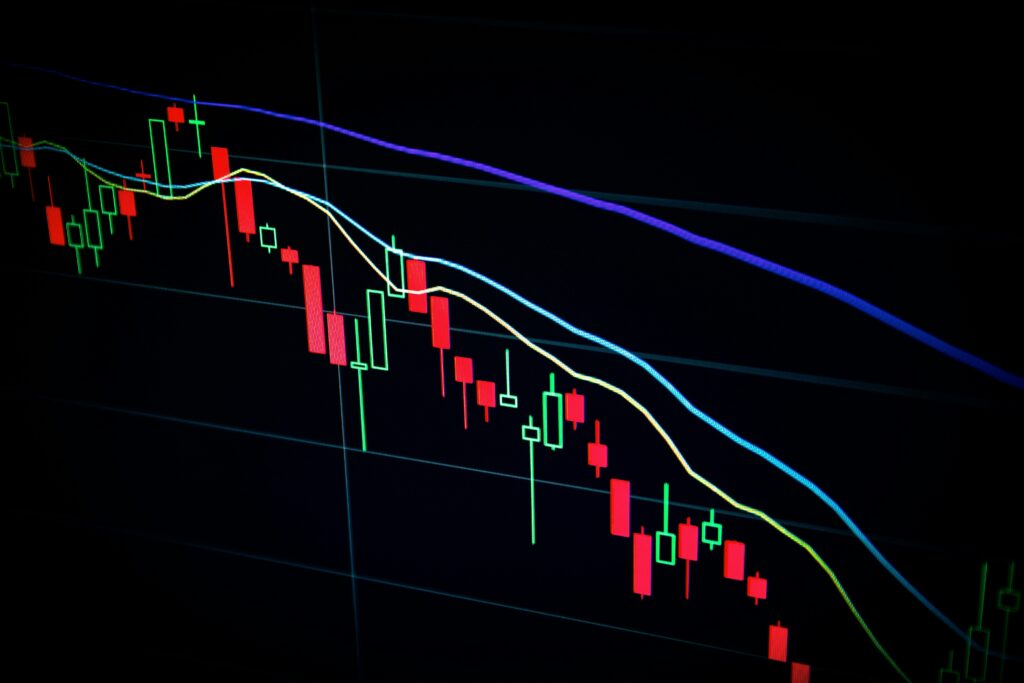
The Trap of Momentum Trading in a Downtrend
If it goes up, they feel safe buying. If it drops, they panic. That’s momentum trading, whether you realize it or not. The 도둑(thief) in your portfolio is this exact behavior. The problem is, this kind of strategy kinda works in a bull market… but in a downtrend? It absolutely wrecks you.
Why You Keep Getting Chopped Up

It’s actually pretty simple. We’re always reacting to what already happened.
Stock went up yesterday → “feels strong” → you buy. But by then, the move’s already played out.
Stock is dumping → “this looks bad” → you sell. And that’s often right near the local bottom.
You go through this a few times, you start to see the pattern… but usually after your account already took a massive hit.
Understanding Bear Market Volatility and “Gamma”
This part you don’t really understand until you’ve lived it. The market just starts acting… weird. In a bear market, volatility (often referred to as Gamma) explodes. News hits and everything overreacts.
Some days you get -5%, next day +4%, then back down again. Lots of movement, but overall? Still grinding lower. And if you’re trading inside that volatility, this is what usually happens:
You see a bounce → “Is this the reversal?” → you buy.
It rolls over → you hold because you’re hopeful.
It drops more → you panic → you finally sell.
Then it bounces right after.
It doesn’t just happen once. It keeps happening. That’s the part that messes with your head and destroys your mental capital.
The Most Dangerous Thought: The “Break-Even” Trap

“I’ll just sell when I get back to break-even.”
That one thought kills more portfolios than anything else. The market doesn’t care where you bought. At all. But your brain does. This is what psychologists call anchoring.
So you end up holding losers forever, waiting to “get back,” while taking quick profits on anything that barely goes green because you’re scared to lose what little you have. End result? Big losses, small wins. Over and over.
How to Build a Bear Market Strategy

I had to change how I approach this, because market timing just wasn’t working. Honestly, trying to out-trade a volatile market day by day… that’s a tough game. It’s way harder than it looks on YouTube. Here is how I fixed my process:
1. Stop Anchoring to Your Entry Price
Doesn’t matter if you bought at 100 or 70. All that matters is what happens next. If you keep thinking in terms of your entry price, you’ll keep making emotional decisions instead of logical ones. Treat every day like a new day.
2. Chill on the Market Timing Game
I used to think I could sell high, buy back lower, and repeat. In reality? I got it wrong way more than I got it right. Now it’s more like—zoom out, give things time, and stop trying to win every 5-minute candle move.
3. Use Dollar Cost Averaging (DCA) to Your Advantage
Yeah, it sounds boring. It kinda is. But DCA works because of math. When prices drop, you naturally buy more shares. When they go up, you buy less. It smooths out your cost basis, and honestly, it helps your mindset a lot. That’s why a solid Bear Market Strategy always emphasizes Dollar Cost Averaging (DCA) over trying to time the absolute bottom.
Before, a -10% move would stress me out. Now it’s more like, “Okay, my DCA order hit, I’m just building my position.”
4. Cash is a Call Option (Cash is Optionality)
Holding cash isn’t a bad thing. I used to think uninvested money was wasted potential. But in a down market? Cash is optionality. When things get ugly and people are forced to sell (liquidation), that’s when having liquidity actually matters. It’s your dry powder for when the real opportunities show up.
Bottom Line: Survival is the Only Strategy
Catching a falling knife might work once or twice. But if you keep doing it, eventually you get cut. Bad. So instead of trying to nail the perfect entry every time:
Focus on where things are going, not where you bought.
Stop obsessing over short-term moves.
Build in gradually instead of going all-in.
I’m not perfect at this either, but it’s a lot less stressful than before. And yeah… you might still try to call the bottom after reading this lol, but at least now you know what game you’re playing.
Stay safe, stay liquid.